


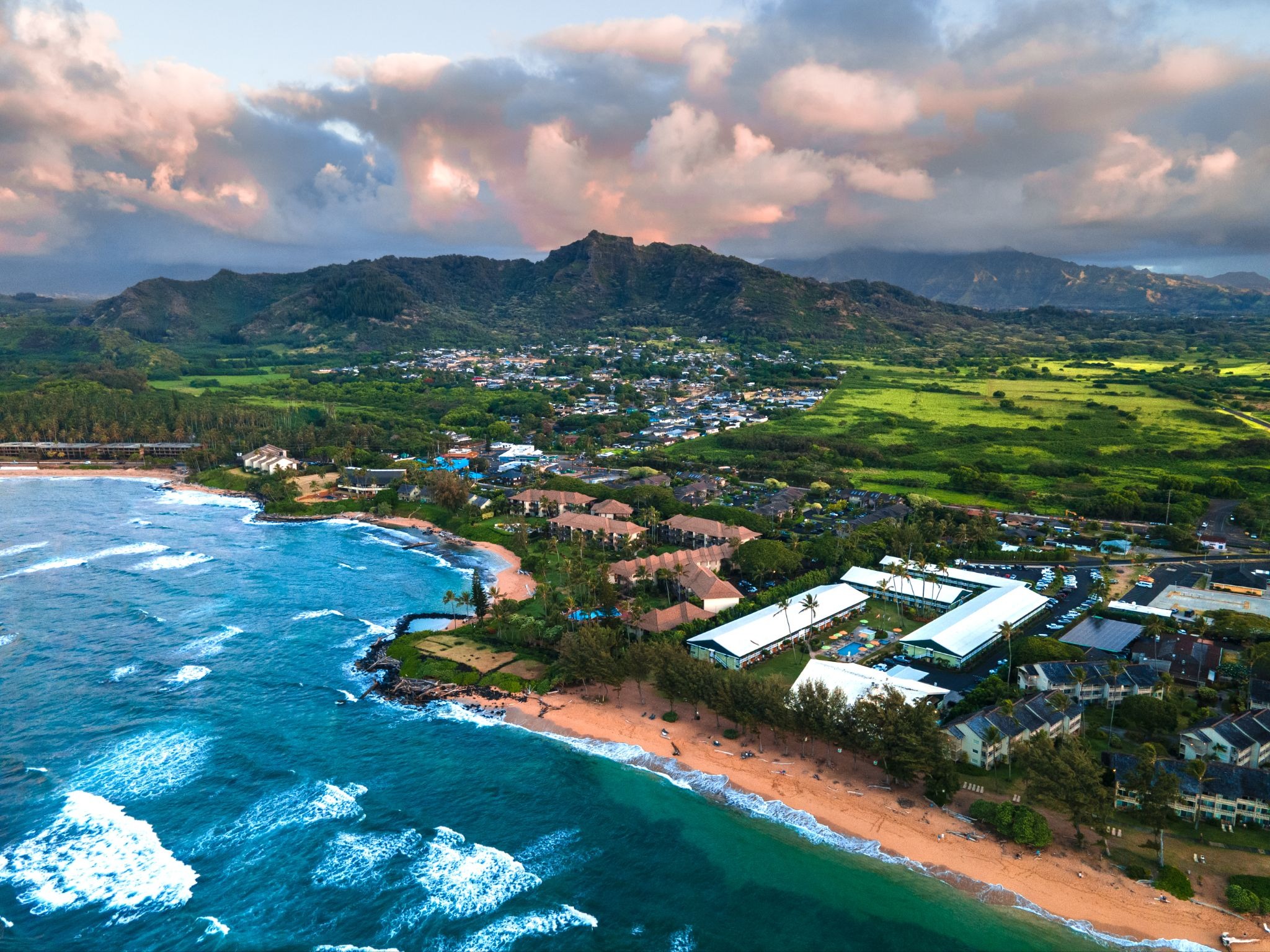
You've seen the forecast. Scattered showers. 60% chance of rain. And now you're second-guessing the whole trip. Here's the truth: there is no bad time to visit Kauai. The myth that you'll get rained out or pick the "wrong" month is based on a fundamental misunderstanding of how this island works. Kauai Shores sits on the East Side in Kapaa, which means you're 30 minutes from any weather you want. North Shore drizzle? Drive south to Poipu's sunshine. South Shore heat? Head north to cooler breezes. You are never stuck.
Why Kauai Has No "Bad" Season
Kauai operates on microclimates, not monolithic weather patterns. The North Shore (Mount Waiʻaleʻale) gets 85+ inches of rain per year. The South Shore (Poipu) gets 30-40 inches. Kapaa, where we sit, averages 50 inches. We are the strategic middle. The 15-Minute Rule applies here: if it's raining where you are, get in the car and drive 15 minutes in any direction. It's probably sunny there. This isn't Seattle gloom or Florida hurricanes. Kauai rain is a 10-minute blessing that brings rainbows, cools the air, and disappears. The island doesn't shut down. Restaurants stay open. Trails remain accessible. The ocean is still swimmable (unless it's winter, but more on that below).
The central location of Kauai Shores is the unlock. Staying in Poipu locks you into the dry south. Staying in Princeville traps you in the rainy north. Kapaa gives you options. If the weather shifts, you shift with it.
The Secret Season: April-May & September-October
Here's the insider move: book the shoulder months. April through May and September through October are the Goldilocks seasons. Not too crowded (summer and winter bring the masses). Not too expensive (rates drop as much as 30% compared to peak). And the weather? Perfect. Trade winds pick up in April, cooling the island after the stillness of winter. September and October see the tail end of summer's heat but without the July crush of families. You'll have beaches to yourself. Restaurants seat you immediately. The vibe at Kauai Shores shifts from "social and lively" to "intimate and slow."
April also catches the last stragglers of whale watching season. Humpbacks typically leave by mid-April, but you might catch a late breacher from the Kapaa Overlook (just north of the hotel). May is arguably the best snorkeling month: water clarity peaks, and the ocean is calm before summer swells arrive.
Pro Tip: If you're flexible, avoid booking around spring break (late March) and aim for mid-April onward. You'll save money and dodge the family crowds.
Winter (December-March): Whales, Waves, and the South Shore Escape
Winter on Kauai is whale watching season. Humpbacks migrate from Alaska to Hawaiian waters between December and April, and you can sometimes see them breaching from the Kapaa Overlook or even from Lava Lava Beach Club's lawn (our on-site restaurant). The whales don't require a boat tour. You can spot them from shore with binoculars.
Keep in mind this comes with a trade-off. The North Shore becomes a spectator sport, not a swimming destination. Waves reach 20+ feet during winter swells. Hanalei Bay, which is glassy and calm in summer, turns into a (seasoned) surfer's paradise and a swimmer's nightmare. Rip currents are real. Lifeguards close beaches. This is not the time to paddleboard off the North Shore.
But here's where the Kapaa advantage kicks in. The East Side stays swimmable year-round (though breezy). If you want calm water, you drive 25 minutes south to Poipu Beach, which is sheltered from winter swells and stays protected. Sleep central at Kauai Shores. Eat breakfast on the Lava Lava lawn. Drive south for snorkeling. Drive north to watch the waves. You are never locked into one microclimate.
Winter also brings occasional rain, but the East Side doesn't flood like the North Shore. We get brief showers, not multi-day downpours. January averages 4-5 inches of rain in Kapaa. That sounds like a lot until you realize it's spread across the month in short bursts. You won't lose a vacation day to rain.
Pro Tip: If you're booking December or January, ask for an ocean-view room. Watching the sunrise over the Pacific while humpbacks breach offshore is worth the upgrade.
Summer (June-August): Hot Days, Cool Breezes, and North Shore Calm
Summer flips the script. The North Shore calms down. Hanalei Bay, Kee Beach, and Tunnels Beach become snorkeling havens. Water temperatures hit 78-80°F. The ocean is glassy. Families flock to the island because school's out, and the weather is predictable: sunny, hot, and humid.
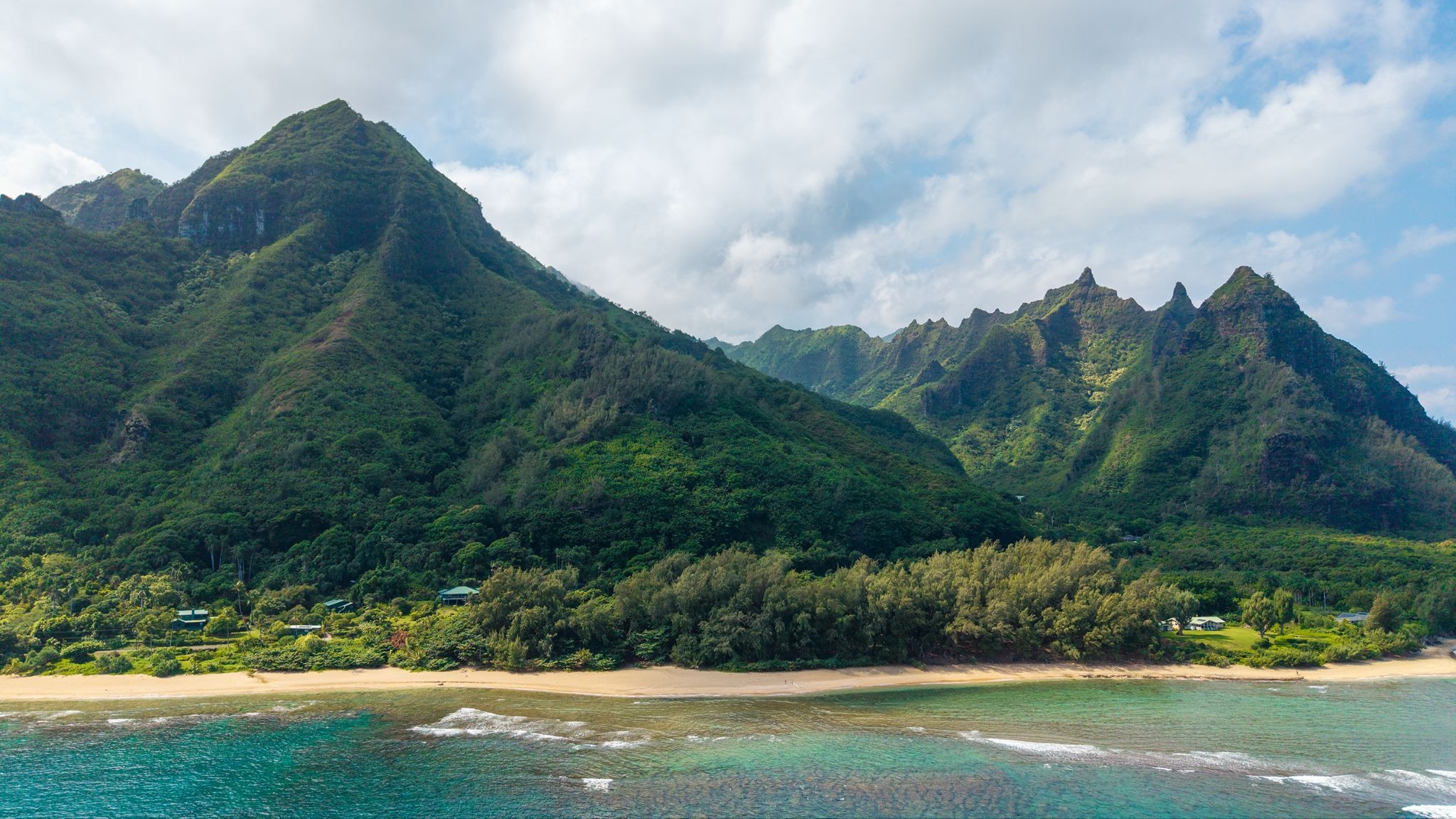
The downside? Inland areas bake. Poipu can hit 88°F with zero shade. But Kapaa has a secret weapon: trade winds. The East Side sits perpendicular to the northeast trade winds, which means our coastline gets a constant breeze. The Lava Lava lawn stays comfortable even in July. Rooms cool down naturally (though we do have AC for those who prefer it). You won't feel like you're melting the way you might in Poipu or Waimea.
Summer is also the best time to explore the North Shore. Hanalei Bay is swimmable. The Kalalau Trail along the Napali Coast is open (though you need permits). Limahuli Garden peaks with tropical blooms. The drive from Kapaa to Hanalei takes 45 minutes, which means you can do a morning snorkel session and be back for lunch at the hotel.
Pro Tip: Beat the heat with early morning beach walks. The Kapaa Bike Path runs right past the hotel and stretches for miles along the coast. Sunrise is around 6 a.m. in summer, and the light is stunning.
The "Liquid Sunshine" Truth: Why Rain Isn't the Enemy
Kauai locals call rain "liquid sunshine" because it fuels the rainbows. The island gets its lush greenery, its waterfalls, and its tropical vibe from rain. A 10-minute shower in the afternoon is not a ruined day, it's a chance to grab a coffee, sit under the covered Lava Lava patio, and watch the sky do something magical.
The "stuck inside" fear is overblown. Rain on Kauai is rarely an all-day event. It hits, it cools the air, it moves on. Waterfalls run harder after rain, which makes hikes to Wailua Falls or Opaekaa Falls even more rewarding. The Wailua River kayak tours still run (you're getting wet anyway). Snorkeling continues (the ocean doesn't care if it's drizzling above the surface).
The only time rain becomes a logistical issue is if you're planning a helicopter tour or a Napali Coast boat trip, both of which can be canceled due to weather. But those cancellations happen regardless of the season. Summer squalls can ground flights just as easily as winter storms. The solution? Build flexibility into your schedule. Don't lock every activity into a single day.
Book with Confidence: The Kauai Shores Promise
The fear of picking the "wrong" month keeps people from booking Kauai trips. But the island doesn't work that way. Every season has its advantages. Winter brings whales. Summer brings calm snorkeling. Shoulder seasons bring deals and solitude. And Kauai Shores sits in the middle of it all, giving you the flexibility to chase the weather you want.
Don't let the forecast scare you. Kauai is a 30-minute island. If it's raining where you are, drive south. If it's too hot, drive north. If you want to see whales, book December through March. If you want glassy ocean snorkeling, book June through August. If you want the best rates and the quietest beaches, book April, May, September, or October.
Aloha, and we'll see you on the lawn.
FAQs
Is January too rainy to visit Kauai?
No. January averages 4-5 inches of rain in Kapaa, but it falls in short bursts, not all-day downpours. The North Shore gets more rain, but you can drive 25 minutes south to Poipu for sunshine. Winter also brings whale watching season, which peaks in January and February.
When is whale watching season on Kauai?
Humpback whales arrive in late November and stay through mid-April, with peak sightings in January, February, and March. You can spot them from the Kapaa Overlook (just north of Kauai Shores) or from the Lava Lava Beach Club lawn without needing a boat tour.
Do I need air conditioning in July at Kauai Shores?
The hotel has AC in all rooms, but many guests don't use it. The East Side gets consistent trade winds that cool the property naturally, especially on the Lava Lava lawn and in ocean-view rooms. If you prefer sleeping cold, the AC is there. If you like fresh air and a breeze, open the windows.
Originally published on 1/31/2026. Last updated on 4/14/2026
